ACCOUNT
SEARCH
Search
.jpg)

Justin Eppley is Co-Founder and Chief Operating Officer of Terpene Journey, a licensed cannabis retailer based in Swampscott, Massachusetts. He leads data strategy, analytics, and product innovation at the intersection of consumer behavior and cannabis science. At Terpene Journey, Justin oversees the research and data infrastructure behind proprietary customer-facing tools, including Terp Genie, the Entourage Builder, and Terp Rewards. His work focuses on translating complex terpene, cannabinoid, and behavioral data into intuitive systems that help consumers make smarter, more personalized product decisions.
Last updated: October 14, 2026 · Reviewed by the Terpene Journey team
The best concentrates for beginners are live rosin or live resin with a clear, well-documented terpene profile on the lab label. Use a small amount, choose a low-heat consumption method, and let the terpene data, not the THC number, guide the choice. They deliver strong flavor and effect without guesswork, as long as you start low and go slow.
Terpene Journey is a licensed cannabis dispensary in Swampscott, Massachusetts, serving the North Shore including Salem, Marblehead, Lynn, and surrounding communities. We are licensed by the Massachusetts Cannabis Control Commission (CCC) and carry a curated selection of lab-tested concentrates from Massachusetts-based producers.
Everything on this page reflects Massachusetts CCC regulations current as of the date above; always confirm details with your local dispensary, as rules can change.
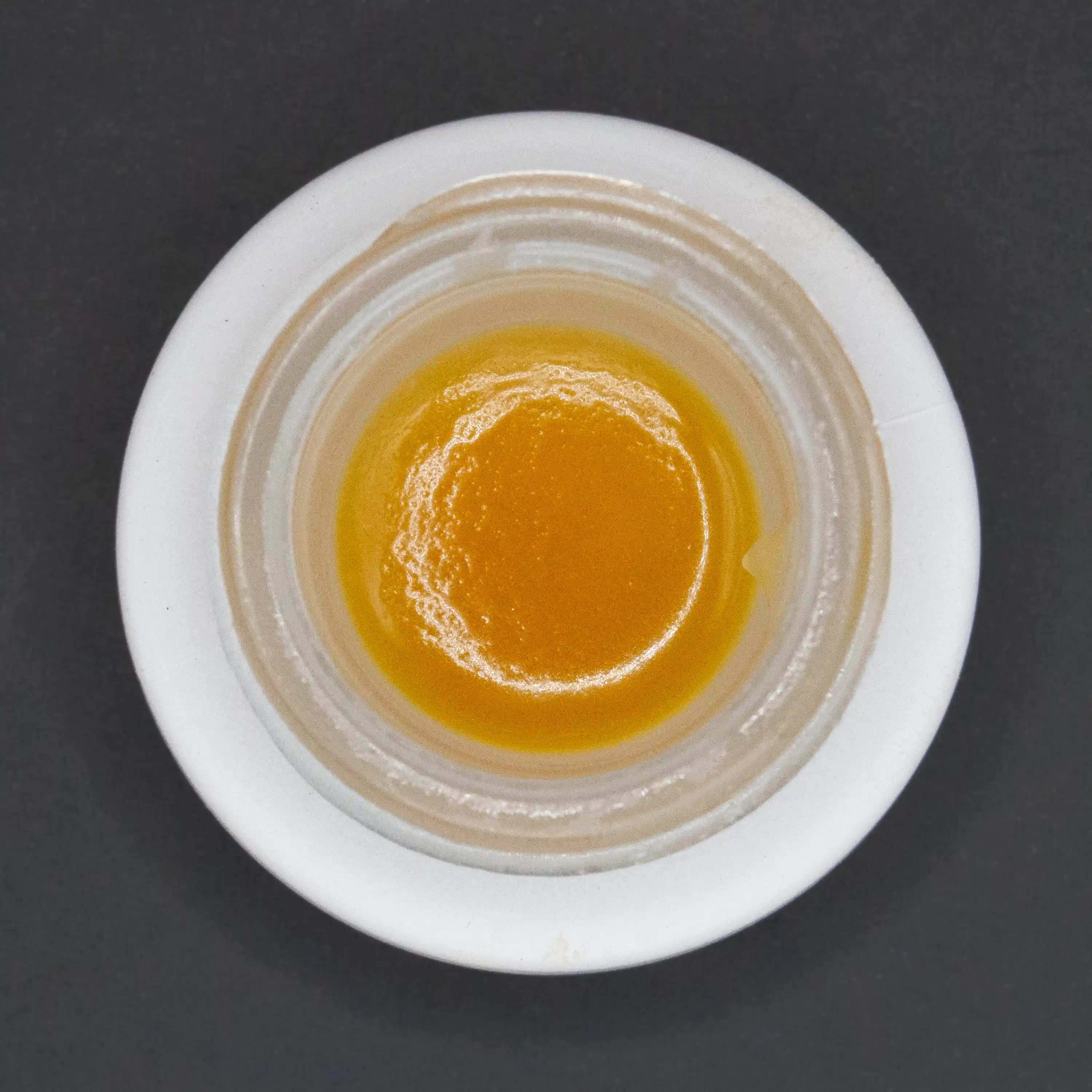
Concentrates are products made by separating the resin glands, called trichomes, from the flower. Terpenes, the aromatic oils responsible for smell and flavor, and cannabinoids like THC and CBD are both concentrated in this process, but it's the terpene profile that determines how a product actually smells, tastes, and feels. The result can range from soft and pliable to hard and glassy, with cannabinoid and terpene levels far higher than in flower.
Because everything is concentrated, the terpene profile matters even more here than with flower. A concentrate with a rich, well-preserved terpene profile will smell vivid, taste close to the living plant, and, according to many consumers, feel more balanced. A stripped-down concentrate might hit hard but taste flat and one-dimensional. That gap is exactly why Terpene Journey looks at lab data first, not just potency.
For a deeper look at how each concentrate type is made and how to compare them side by side, see our complete cannabis concentrates guide.
New to the shop? Before you buy your first concentrate, it helps to know what kind of experience you're after. Terp Genie is Terpene Journey's free online tool that recommends terpene profiles based on how you want to feel, not just a percentage on a label. Try Terp Genie to get started.
The gentlest entry points for new consumers are the ones made with minimal processing and clear terpene retention. Live rosin and live resin are the best starting points. Here's how the major categories stack up.
| Concentrate Type | How It's Made | Terpene Retention | Beginner Friendliness |
|---|---|---|---|
| Live Rosin | Fresh-frozen flower, pressed with heat and pressure, no solvents | Excellent | High, but strong, use tiny amounts |
| Live Resin | Fresh-frozen flower, extracted with solvent | Very good | High, popular starting point |
| Cured Resin / Wax | Dried, cured flower, extracted with solvent | Good | Moderate, more variable |
| Shatter | Cured flower, extracted and purged into a glass-like sheet | Fair, some terpenes lost to processing | Moderate |
| Distillate | Cannabinoids isolated and refined, terpenes usually added back later | Most variable, often reintroduced synthetically or from other plants | Lower for terpene-first exploring |
Live rosin and live resin start with flower that's frozen right after harvest, which locks in the fragile terpenes before they can fade. That's why they tend to smell the closest to fresh-cut cannabis: bright citrus, deep pine, peppery spice, whatever the original plant expressed. Distillate, by contrast, strips almost everything away during refining, so what you smell and taste afterwards is often added back in, which makes its profile the least predictable of the group.
Terpene Journey Insight: We steer most first-timers toward live rosin or live resin, not because they're trendy, but because the lab sheet tells the real story. Concentrates carry far more terpenes than flower: the 1.5 to 2% total terpene benchmark you'll often see applies to flower and pre-rolls, while the concentrates on our menu currently average around 6.2%. That's a more transparent starting point than chasing a big THC number.
Every legal concentrate sold in Massachusetts carries a Cannabis Control Commission (CCC) required lab sheet showing cannabinoid and terpene content batch by batch. Look past the THC percentage first. Scroll down to the terpene panel and see what's listed first, since the dominant terpene has the biggest influence on how the product will smell and feel.
The table below separates the generic, commonly reported effect associated with each terpene from Terpene Journey's own branded activity names, so you can tell the two apart.
| Lead Terpene | Aroma | Commonly Associated Effect (Generic) | Terpene Journey Activity Name |
|---|---|---|---|
| Myrcene | Earthy, musky, ripe fruit | Sedating | Be Sleepy |
| Limonene | Bright citrus, orange peel | Uplifting | Be Social |
| Caryophyllene | Black pepper, clove, spice | Relieving | Release |
| Pinene | Fresh pine, rosemary | Alertness | Be Productive |
| Linalool | Lavender, floral | Calming | Calm |
| Terpinolene | Herbal, floral, a little fruity | Stimulating | Be Active |
| Humulene | Woody, hoppy, earthy | Balancing | Balance |
| Bisabolol | Soft chamomile, light floral | Soothing | Flow |
Research into terpenes is ongoing, and individual experiences may vary. Think of this table as a starting compass, not a guarantee. “Terpene Journey Activity Name” refers to our own branded product categories and is not a scientific classification.
Slowly, and with the right tool for the job. Concentrates are typically vaporized using a dab rig, an electronic vape pen made for concentrates, or a specialty attachment. Smoking concentrates directly with a lighter isn't the standard method and isn't recommended.
Terpene Journey Insight: The most common beginner mistake we see in our Swampscott shop isn't picking the wrong concentrate, it's using too much of the right one. Concentrates don't require large amounts to be effective. A rice-grain-sized dab of a well-made live rosin can deliver a fuller, more layered experience than a large dab of something stripped-down and harsh.
It depends on what you're hoping to do with your time. If you're easing into concentrates for a mellow evening in Marblehead or Swampscott, something myrcene-forward built for Be Sleepy might suit better than a terpinolene-heavy pick meant for Be Active days out on the North Shore.
If your plan is more social (a gathering in Salem or a low-key hang in Lynn), a limonene-forward concentrate built around Be Social energy is commonly reported to feel brighter and more conversational, though individual results vary. Want to sit down and focus on a project? Look toward pinene and the Be Productive profile instead.
Effect-first thinking beats guessing from a strain name alone, and it's exactly the reasoning behind the Entourage Builder, Terpene Journey's tool for building a personalized terpene and cannabinoid profile. You'll find it on any of our inhalable menu pages, including the concentrates menu.
Trichomes: The tiny, crystal-like resin glands that grow on cannabis flower and contain the plant's cannabinoids and terpenes. Concentrates are made by separating trichomes from the surrounding plant material. The extraction method used determines how much of the terpene character survives into the final product and how it will smell, taste, and feel.
The Entourage Effect: The widely reported interaction between cannabinoids and terpenes that shapes the overall cannabis experience. Two concentrates at identical THC percentages can feel noticeably different based on their terpene profiles, which is why the terpene panel on a Massachusetts CCC lab label is a more useful guide to expected effect than the potency number alone.
Solventless Extraction: A concentrate production method that uses only heat, pressure, and water, rather than chemical solvents like butane or CO2, to separate trichomes from plant material. Live rosin is the most common solventless concentrate. Because no solvent is involved, many beginners prefer it as a cleaner, more transparent starting point with no risk of residual chemicals in the final product.
Terpene Profile: The full combination of aromatic oils present in a specific batch of concentrate, as documented on the CCC-mandated lab label. The terpene profile, not the strain name or the THC percentage, is the most reliable predictor of how a concentrate will smell and feel. The dominant terpene (listed first) carries the most weight, with secondary terpenes layering and refining the overall experience.
Ready to find a concentrate that matches how you actually want to feel? Stop by Terpene Journey, our licensed dispensary in Swampscott, MA, chat with our team, or start exploring with Terp Genie and build your own Entourage today.
Yes, generally. Concentrates isolate the resin, the trichome-rich part of the cannabis plant, from the plant material, which means cannabinoid and terpene levels are much higher than in flower. Because of this, beginners should start with a very small amount, about the size of a grain of rice, and wait 15 to 20 minutes before considering more.
Both live resin and live rosin start with fresh-frozen flower to preserve terpenes. Live resin is extracted using solvents, while live rosin is made using only heat and pressure, with no solvents at all. Because it's solventless, many beginners prefer live rosin.
No. Concentrates require a device built specifically for them, such as a concentrate-specific vape pen or a dab rig. Using a flower vape pen for concentrates can waste product, damage the device, or create an unpleasant, overly harsh experience.
Check the Massachusetts Cannabis Control Commission (CCC) mandated lab label on the packaging for total terpene content, and compare it with other concentrates rather than flower. Concentrates test far higher: the concentrates on the Terpene Journey menu currently average around 6.2% total terpenes, compared with the 1.5 to 2% benchmark usually used for flower and pre-rolls. A higher terpene figure generally points to a more flavorful, better-preserved product, regardless of the THC percentage listed.
Yes. Adults 21 and over with valid, government-issued ID can legally purchase cannabis concentrates from licensed Massachusetts dispensaries, including those on the North Shore. However, transporting cannabis products across state lines is illegal under federal law, even if you are simply heading home, so any concentrates purchased in Massachusetts must be consumed within the state.
There's no single answer, but myrcene and linalool are commonly reported as the most approachable starting points. Both are associated with calming, body-focused effects that tend to feel manageable at lower doses. Limonene is a good option if you want something more uplifting and social. Use the terpene table above to match your plans to a lead terpene before you buy.


.svg)